
Daily Supplements For Health Reliable Choices For Everyday Wellness
In today’s fast-paced world, maintaining optimal health often requires more than just diet and exercise. While whole foods remain the foundation of good nutrition, many people turn to daily supplements to fill nutritional gaps, support immune function, and promote long-term well-being. However, not all supplements are created equal. With countless options on the market, choosing reliable, evidence-based products is essential. This guide explores the most effective and trustworthy supplements for everyday use, backed by science and expert insight.
The Role of Daily Supplements in Modern Wellness
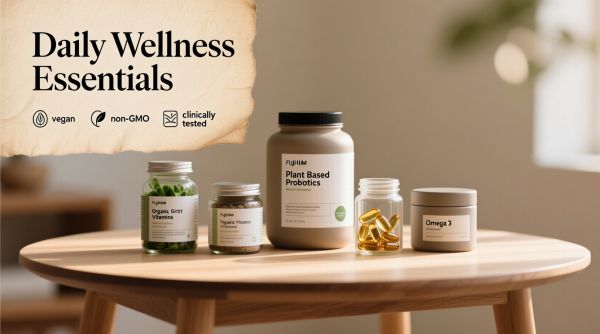
Dietary supplements are intended to complement—not replace—a balanced diet. For many individuals, even those eating nutritious meals, certain nutrients may be difficult to obtain in sufficient amounts due to soil depletion, food processing, lifestyle factors, or specific health conditions. The goal of supplementation should be prevention, optimization, and targeted support rather than quick fixes.
According to the National Institutes of Health (NIH), over half of U.S. adults take at least one dietary supplement daily. The most commonly used include multivitamins, vitamin D, omega-3 fatty acids, and calcium. When chosen wisely, these can play a meaningful role in supporting energy levels, cognitive function, bone health, and immune resilience.
Tip: Always consult with a healthcare provider before starting new supplements, especially if you have underlying conditions or take medications.
Top 5 Reliable Supplements for Everyday Use
Not every supplement delivers on its promises. The following five have strong scientific backing and are widely recommended by health professionals for general wellness.
1. Vitamin D
Vitamin D, often called the "sunshine vitamin," plays a crucial role in immune regulation, bone health, and mood stability. Due to limited sun exposure—especially in northern climates and during winter months—deficiency is common. The Endocrine Society recommends daily supplementation of 1,500–2,000 IU for adults to maintain adequate blood levels.
2. Omega-3 Fatty Acids (EPA & DHA)
Found primarily in fatty fish, omega-3s are essential fats that support heart and brain health. Since most diets lack sufficient oily fish, high-quality fish oil or algae-based supplements provide a practical solution. Studies show regular intake reduces triglycerides, supports cognitive function, and lowers inflammation.
3. Magnesium
Magnesium is involved in over 300 enzymatic reactions in the body, including muscle relaxation, nerve function, and sleep regulation. Soil depletion has reduced magnesium levels in crops, making deficiency surprisingly widespread. Forms like magnesium glycinate or citrate are well-absorbed and beneficial for stress reduction and restful sleep.
4. Probiotics
A healthy gut microbiome is linked to improved digestion, immunity, and even mental health. Daily probiotics—especially strains like Lactobacillus rhamnosus and Bifidobacterium lactis—can help maintain microbial balance, particularly after antibiotic use or during periods of digestive discomfort.
5. A High-Quality Multivitamin
While not a substitute for nutrient-dense food, a well-formulated multivitamin acts as a nutritional safety net. Look for one that avoids excessive doses (especially fat-soluble vitamins A, D, E, K) and includes bioavailable forms of B vitamins, zinc, and selenium.
“Supplements aren’t magic bullets, but when used appropriately, they can correct deficiencies and support long-term vitality.” — Dr. Sarah Lin, Integrative Nutrition SpecialistChoosing Reliable Supplements: What to Look For
With minimal regulation in the supplement industry, product quality varies dramatically. To ensure safety and efficacy, consider the following criteria:
Factor What to Look For Avoid Third-party testing NSF, USP, or ConsumerLab certification Products without independent verification Ingredient transparency Full disclosure of forms and dosages Vague terms like “proprietary blend” Bioavailability Methylated B vitamins, chelated minerals Oxide forms (e.g., magnesium oxide) Additives No artificial colors, preservatives, or fillers Magnesium stearate, titanium dioxideTip: Store supplements in a cool, dry place away from sunlight to preserve potency.
Step-by-Step Guide to Building Your Supplement Routine
Introducing supplements gradually ensures better tolerance and helps identify what works for your body. Follow this timeline to establish a sustainable regimen:
Week 1: Assess your current diet and lifestyle. Note any symptoms like fatigue, poor sleep, or frequent illness. Week 2: Consult a healthcare provider. Request blood tests for vitamin D, B12, iron, and magnesium if needed. Week 3: Start with one foundational supplement—such as vitamin D or a multivitamin—and take it consistently with meals. Week 4: Monitor how you feel. Keep a brief journal tracking energy, mood, and digestion. Month 2: Add a second supplement (e.g., omega-3s or magnesium) based on your needs and test results. Ongoing: Re-evaluate every 3–6 months. Adjust dosage or discontinue as necessary.Real Example: Maria’s Wellness Transformation
Maria, a 42-year-old teacher from Portland, struggled with low energy and frequent colds. Despite eating a mostly plant-based diet, she felt run down. After consulting her doctor, blood work revealed low vitamin D and borderline B12 levels. She began taking 2,000 IU of vitamin D3 and a sublingual B12 supplement daily. Within six weeks, she reported improved focus, fewer afternoon slumps, and no winter illnesses for the first time in years. Her experience highlights how targeted supplementation, guided by testing, can make a tangible difference.
Common Mistakes to Avoid
Over-supplementing: More isn’t always better. Excessive intake of vitamins like A or iron can be harmful. Ignoring timing: Fat-soluble vitamins (A, D, E, K) should be taken with meals containing fat for absorption. Trusting influencer endorsements: Popularity doesn’t equal effectiveness. Rely on clinical evidence, not social media trends. Skipping breaks: Some supplements benefit from cycling (e.g., probiotics taken for 3 months, then paused).Frequently Asked Questions
Can I get all the nutrients I need from food alone?
In an ideal world, yes. But modern agricultural practices, dietary restrictions, and lifestyle stressors often make it difficult. Supplements can help bridge gaps, especially for nutrients like vitamin D, omega-3s, and B12 (particularly in plant-based diets).
Are natural supplements better than synthetic ones?
Not necessarily. Bioavailability matters more than origin. For example, methylcobalamin (a form of B12) is highly effective regardless of whether it’s lab-made. Focus on the form and dose, not just marketing terms like “natural.”
How do I know if a supplement is working?
Track subtle changes over time—improved sleep, stable energy, better skin, or fewer illnesses. Blood tests before and after 3–6 months can provide objective data on nutrient levels.
Final Checklist: Building a Trusted Supplement Stack
✅ Get tested for key deficiencies (vitamin D, B12, iron, magnesium) ✅ Choose third-party tested brands (look for NSF or USP seals) ✅ Start with one supplement at a time ✅ Take fat-soluble vitamins with meals ✅ Store supplements properly (cool, dark, dry place) ✅ Reassess every 3–6 months with a healthcare providerTake Charge of Your Daily Wellness
Everyday wellness isn’t built overnight—it’s shaped by consistent, informed choices. Reliable daily supplements, when used thoughtfully and responsibly, can be powerful allies in your health journey. They’re not shortcuts, but tools to help you feel your best, think clearly, and stay resilient through life’s demands. Begin with one change, trust the process, and let science—not hype—guide your decisions.
Ready to optimize your routine? Start by reviewing your current supplements or scheduling a nutrient panel with your doctor. Share your experience or questions in the comments—your journey could inspire someone else to take their first step toward better health.
相关知识
Wellness Seekers: Supportive Health Community for Women
Optimizing Nutrition and Hydration for Health and Wellness
Health and Wellness Tips For a Much Better Lifestyle
Vocabulary for Talking About Health and Wellness
Nutritional Counseling for Better Health
10 Essential Steps to Achieve Optimal Health and Wellness
100 Common Health Expressions for Everyday Conversations
105 Healthy Lifestyle Quotes For Your Wellness Journey
Physical – Center for Wellness and Health Promotion
Health Coach Online: Empowering Your Wellness Journey!
网址: Daily Supplements For Health Reliable Choices For Everyday Wellness https://www.trfsz.com/newsview1905523.html
推荐资讯




- 1发朋友圈对老公彻底失望的心情 12775
- 2BMI体重指数计算公式是什么 11235
- 3补肾吃什么 补肾最佳食物推荐 11199
- 4性生活姿势有哪些 盘点夫妻性 10428
- 5BMI正常值范围一般是多少? 10137
- 6在线基础代谢率(BMR)计算 9652
- 7一边做饭一边躁狂怎么办 9138
- 8从出汗看健康 出汗透露你的健 9063
- 9早上怎么喝水最健康? 8613
- 10五大原因危害女性健康 如何保 7828