
Why Is Hygiene Important Benefits Impact On Your Health
Maintaining good hygiene is one of the simplest yet most powerful ways to protect your health and improve your quality of life. It goes beyond just looking and smelling clean—it plays a crucial role in preventing illness, boosting self-esteem, and fostering social confidence. From handwashing to oral care and personal cleanliness, hygiene habits form the foundation of a healthy lifestyle. In both developed and developing regions, poor hygiene remains a leading contributor to preventable diseases. Understanding its importance empowers individuals to make informed choices that benefit not only themselves but also their communities.
The Direct Health Benefits of Good Hygiene
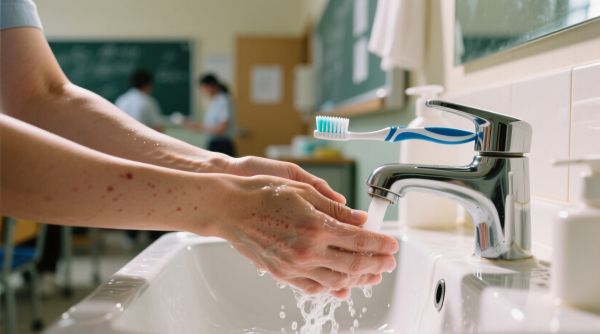
Good hygiene practices are frontline defenses against infectious diseases. Pathogens such as bacteria, viruses, and fungi thrive in unclean environments and spread easily through contaminated surfaces, food, water, or direct contact. By practicing consistent hygiene, you significantly reduce your exposure to these harmful agents.
For example, regular handwashing with soap can reduce the risk of diarrheal diseases by up to 40% and respiratory infections like colds and flu by nearly 20%, according to the Centers for Disease Control and Prevention (CDC). Similarly, proper oral hygiene—brushing twice daily and flossing—prevents tooth decay, gum disease, and has even been linked to lower risks of heart disease and stroke due to reduced systemic inflammation.
Tip: Wash your hands for at least 20 seconds, especially after using the restroom, before eating, and after coughing or sneezing.
Skin and Wound Care: Preventing Infections
Your skin is your body’s largest organ and first line of defense. Keeping it clean helps maintain its protective barrier. Poor skin hygiene can lead to acne, fungal infections, boils, and more serious conditions like cellulitis. Open wounds require particular attention; cleaning them promptly and keeping them covered reduces the risk of bacterial invasion.
In medical settings, strict hygiene protocols drastically reduce hospital-acquired infections. But these principles apply at home too. Showering regularly, changing clothes, and laundering towels and bedding all contribute to minimizing microbial load on the body.
Hygiene’s Role in Mental and Emotional Well-Being
The connection between physical cleanliness and mental health is often underestimated. People who maintain good hygiene tend to report higher levels of self-esteem and confidence. Feeling clean enhances comfort in social situations and supports positive interactions.
Conversely, neglecting personal hygiene can be both a symptom and a cause of mental health struggles. Conditions like depression, anxiety, or schizophrenia may reduce motivation to engage in self-care routines. Over time, this can create a cycle where poor hygiene leads to social withdrawal, which worsens psychological distress.
“Daily hygiene routines provide structure and a sense of control, which are vital for emotional stability.” — Dr. Lena Patel, Clinical PsychologistEstablishing simple, manageable hygiene habits can serve as a therapeutic tool in recovery plans, offering small wins that build momentum toward broader wellness goals.
Community and Public Health Impact
Personal hygiene doesn’t exist in isolation—it directly affects public health outcomes. When large segments of a population practice basic hygiene, transmission rates of contagious diseases drop significantly. This concept underpins vaccination campaigns and sanitation initiatives worldwide.
In schools, children taught proper handwashing techniques show fewer absences due to illness. In workplaces, accessible hand sanitizers and clean restrooms correlate with lower sick leave usage. During outbreaks—such as influenza seasons or global pandemics—hygiene becomes a civic responsibility.
Historically, improvements in sanitation during the 19th century led to dramatic declines in mortality from cholera, typhoid, and tuberculosis. Today, access to clean water and soap remains a challenge in many parts of the world, making hygiene education and infrastructure critical components of global health equity.
Real-Life Example: A School-Based Handwashing Program
In rural Kenya, a primary school introduced a structured handwashing program with timed reminders and peer-led demonstrations. Within six months, student absenteeism due to gastrointestinal illnesses dropped by 35%. Teachers reported improved concentration in class, likely due to better overall health. The initiative cost little but yielded high returns in learning continuity and community well-being—a testament to hygiene’s ripple effect.
Essential Hygiene Practices: A Step-by-Step Guide
Building sustainable hygiene habits doesn’t require drastic changes. Start with small, consistent actions. Follow this daily timeline to integrate key practices into your routine:
Morning: Brush teeth for two minutes, wash face, take a shower if needed, and put on clean clothes. Before meals: Wash hands thoroughly with soap and water, especially after touching shared surfaces. After using the restroom: Always wash hands and ensure nails are kept short and clean. Evening: Floss teeth, remove makeup, cleanse skin, and change into sleepwear. Weekly: Launder bed linens, towels, and frequently worn clothing.Tip: Keep travel-sized hygiene essentials (hand sanitizer, wipes, toothbrush) in your bag for on-the-go maintenance.
Common Hygiene Mistakes and How to Avoid Them
Even people with good intentions can fall into counterproductive habits. Below is a comparison of common do’s and don’ts:
Do's Don'ts Use separate towels for face and body Share razors or nail clippers Replace toothbrush every 3–4 months Leave wet towels bunched up (promotes mold) Clean phone screen daily with disinfectant wipe Wash hands only with water (soap is essential) Shower after sweating heavily Ignore persistent body odor despite washingFAQ: Common Questions About Hygiene and Health
Can being too clean weaken your immune system?
No strong evidence supports the idea that practicing good hygiene “weakens” immunity. While early-life exposure to microbes helps train the immune system (the so-called "hygiene hypothesis"), this does not mean skipping handwashing or avoiding cleanliness. Rather, it emphasizes balanced exposure—like playing outdoors—without compromising essential hygiene practices.
How often should I wash my hands?
You should wash your hands multiple times a day: before eating, after using the bathroom, after coughing or sneezing, when returning home, and after handling garbage or pets. If soap and water aren’t available, use an alcohol-based hand sanitizer with at least 60% alcohol.
Is bad breath always caused by poor hygiene?
While inadequate brushing and flossing are common causes, chronic bad breath (halitosis) can also stem from dry mouth, sinus infections, acid reflux, or underlying conditions like diabetes. Persistent odor warrants a dental or medical evaluation.
Checklist: Daily Hygiene Essentials
☑ Brush teeth (morning and night) ☑ Floss at least once per day ☑ Wash hands at key moments ☑ Take a shower or sponge bath daily ☑ Change into clean clothes ☑ Clean and dry feet thoroughly (prevent fungal growth) ☑ Wipe down high-touch items (phone, keys, glasses) ☑ Use deodorant or antiperspirant as neededConclusion: Make Hygiene a Lifelong Habit
Hygiene is far more than a cosmetic concern—it is a cornerstone of physical health, mental clarity, and social integrity. Its benefits extend from individual well-being to broader societal resilience. By adopting consistent, science-backed hygiene practices, you invest in a longer, healthier, and more confident life. These habits are simple, low-cost, and universally applicable, regardless of age or background.
Start today: Pick one hygiene habit to improve this week—whether it’s flossing daily or washing your hands more thoroughly—and commit to it. Share your journey or tips with someone you care about. Small actions, repeated consistently, create lasting change.
相关知识
Sleep 101: Why Sleep Is So Important to Your Health
What is a Health Coach and Why Are They Important?
Holistic Health: What Is It and Why It's So Important?
Why Healing Your Gut (and Keeping Your Gut Happy) Is Essential for Good Health
What is a Health and Wellness Coach and Why Are They Important?
Why is Staying Hydrated Essential for Your Health?
Mental Health and Hygiene
Good hygiene for your mental health
Health Literacy: What Is It and Why Is It Important?
Mastering Sleep Hygiene: Your Path to Quality Sleep
网址: Why Is Hygiene Important Benefits Impact On Your Health https://www.trfsz.com/newsview1909058.html
推荐资讯




- 1发朋友圈对老公彻底失望的心情 12775
- 2BMI体重指数计算公式是什么 11235
- 3补肾吃什么 补肾最佳食物推荐 11199
- 4性生活姿势有哪些 盘点夫妻性 10428
- 5BMI正常值范围一般是多少? 10137
- 6在线基础代谢率(BMR)计算 9652
- 7一边做饭一边躁狂怎么办 9138
- 8从出汗看健康 出汗透露你的健 9063
- 9早上怎么喝水最健康? 8613
- 10五大原因危害女性健康 如何保 7828